 Through Every Blended Lens
Two histories. One home. A love that makes room for everyone.
Husband and wife, wife and wife, husband and husband: when you marry into a blended family, you don't just marry each other. You marry schedules, memories, loyalties, and somebody else's way of loading the dishwasher.
Your marriage is the foundation the whole blend stands on. Let's look at it from every side, together.
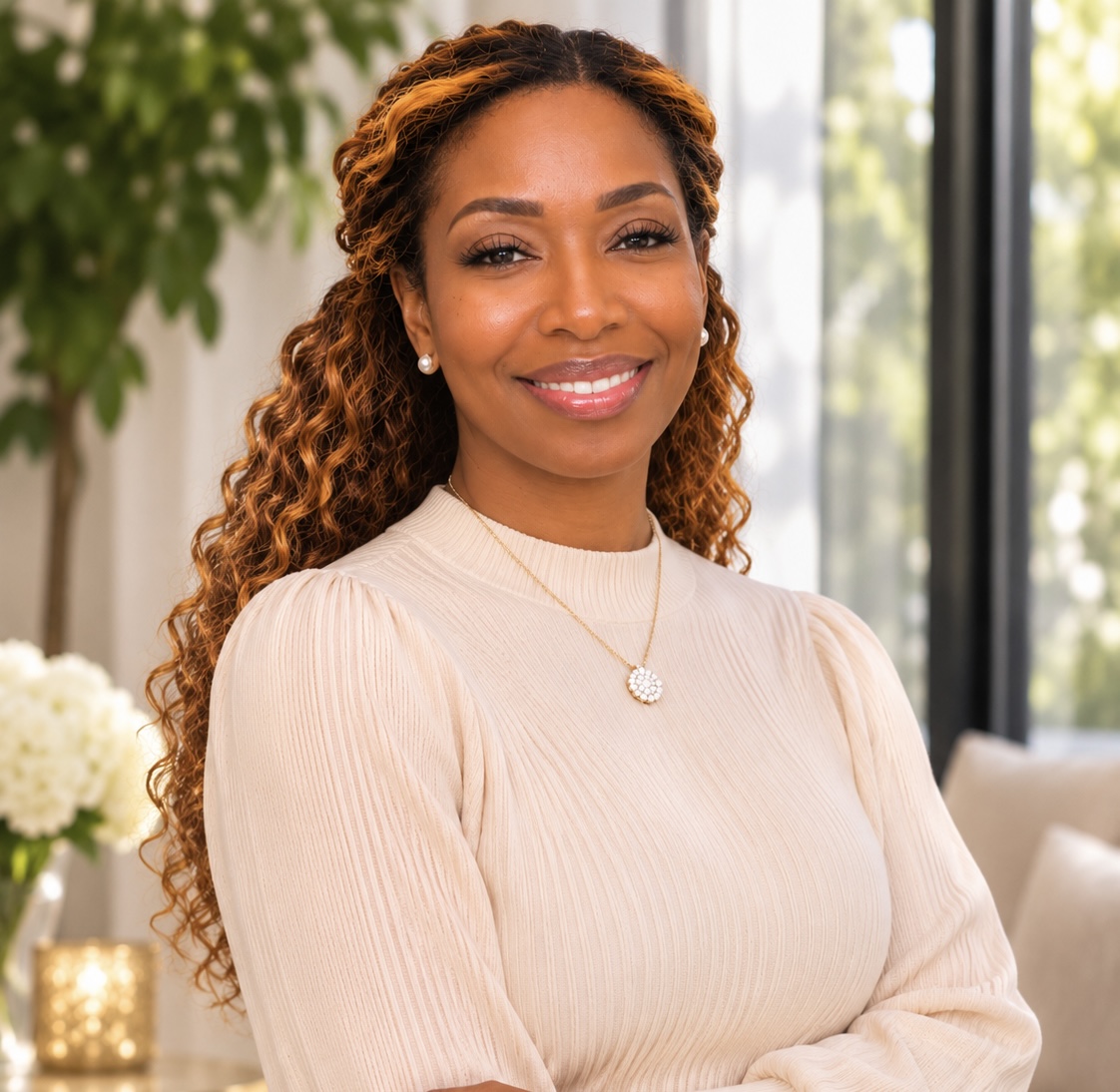
Set down your pride. Pick up your partner.
What it can feel like to be the couple in the middle.
Stuck between
You love your spouse and you love your kids, and some days it feels like you have to choose.
The outsider
As the stepparent, you're doing your best and still feel like a guest in your own house.
The rule maker
Two homes taught two sets of rules. Now you're refereeing bedtime, chores and screen time.
What the rest of the family might be seeing.
Your stepchildren
Loving you can feel like betraying their other parent. Distance isn't always rejection. Sometimes it's loyalty.
Your own children
They may worry there's less of you to go around now. A little one-on-one time says "you still matter."
The other home
The ex is watching to see if their children are safe and loved here. Kindness lowers everyone's guard.
Small steps, big love.
- Hold a 15-minute couple huddle. Same day each week, no kids, no phones. Agree on one thing before you present it to the family.
- Talk about who handles discipline. Many couples find it helps when the stepparent focuses on the relationship first. Decide together what fits your home.
- Say "I was wrong" first. Pride keeps score. Love keeps the peace.
- Schedule something silly. Game night, pancake Saturday, a ridiculous family dance-off. Laughter builds belonging faster than lectures.
Your marriage matters. So does everyone in it.
If your home is in a hard place, I'm willing to block off an hour to listen, share what I've learned, and help you both see it from another angle.
This is a personal conversation, not therapy, counseling, or legal advice.